
Game
SpaceCute
A bright 2D space game built around quick movement, readable hazards, and compact arcade-style stages.
Relish Games is a small studio and developer lab focused on 2D games, engine experiments, and practical tooling. The work here ranges from playable projects to HGE documentation, rendering demos, asset workflows, and notes from the parts of game development that get messy.
Playable work, engine demos, and focused experiments from the studio
A bright 2D space game built around quick movement, readable hazards, and compact arcade-style stages.

A rendering demo for fire, smoke, sparks, and other short-lived effects that need to stay cheap on screen.

Sprite sheet playback, frame timing, and character animation tests for 2D projects.

A small sandbox for collision checks, rigid bodies, constraints, and the edge cases that make physics debugging useful.

Waveform, frequency, and beat-detection experiments for audio-driven interface and gameplay ideas.

Tilemap editing notes and tools for layered maps, custom tile data, and level-building workflows.
Documentation, examples, and production notes for 2D game developers
API references, setup notes, and practical guides for working with the HGE 2D game engine.

Small sample projects that show rendering, particles, sprites, and other engine features in motion.

Notes on organising assets, loading resources, and keeping sprite-heavy projects manageable.
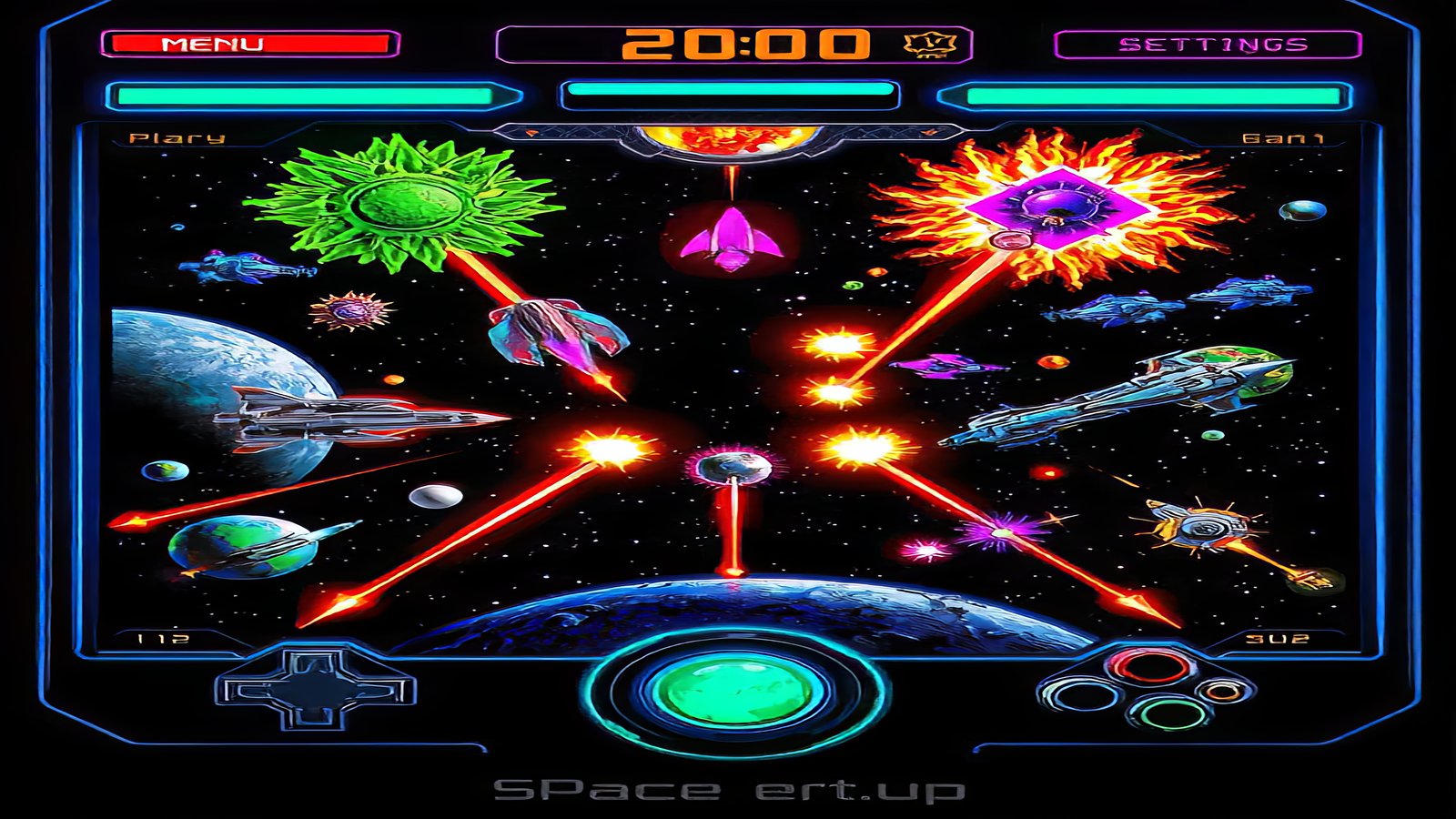
Screens from games, demos, and engine experiments


Recent project notes, site updates, and documentation work
Updated API reference pages with clearer examples and fewer assumptions about prior engine knowledge.
Reworked forum categories and thread discovery so HGE, tooling, and project discussions are easier to find.
Added newer screenshots and gameplay captures to the project pages.
Clarified package descriptions and setup notes for different development environments.
Adjusted responsive layouts so project pages, docs links, and journal cards behave better on smaller screens.
Published extra sample projects covering particle systems, sprite animation, and rendering tests.
Practical notes on games, engines, tools, and production trade-offs
Procedural generation can give your 2D game infinite replayability — or infinite mediocrity. Here's how to land on the right side of that line.
Read article →
HGE is Windows-native, but porting HGE games to Linux and macOS is achievable. Here's the practical roadmap for cross-platform HGE development.
Read article →
Performance optimisation in C++ game code isn't about micro-benchmarks — it's about understanding your hardware, your data, and your profiler.
Read article →Relish Games is an independent game development studio and experimental lab. The site collects playable projects, HGE documentation, engine notes, and small tools built while working through the practical problems of 2D game development.
We maintain the documentation portal for HGE (Haaf's Game Engine), a hardware-accelerated 2D framework. The docs cover API references, setup guidance, rendering behaviour, resource loading, and the details that matter once a prototype starts turning into a real project.
The approach is simple: build things, document what was learned, and keep the useful parts visible. Some projects are finished games. Some are technical demonstrations. Some are notes from experiments that answered one narrow question.
For code hosting and version control, many developers use GitHub to manage game projects, track issues, and collaborate without losing the history of why a change was made. When a prototype needs a quick musical direction, an AI soundtrack generator can help sketch an atmosphere before the final audio pass.
We focus on 2D games, engine experiments, development tools, and technical demonstrations. Some work is playable; some is a focused demo for a rendering, animation, audio, or workflow problem.
We maintain HGE documentation as a community resource, including API references, setup guides, examples, and notes for developers building 2D projects with the engine.
Most sample code is shared for learning and experimentation. Check the licence details on each project page before using anything in a released project.
Visit the community forum to browse existing discussions or ask about setup, rendering, asset loading, and other common development issues.
We occasionally take on projects that fit the studio's interests. Use the contact page and include enough detail to understand the scope.
We watch emerging formats carefully, but through a practical lens. Topics such as how blockchain games differ from traditional games are worth studying when they affect ownership, progression, or player economies, not because every game needs the technology.